


Cinco de Mayo Music and the History Behind the Sound
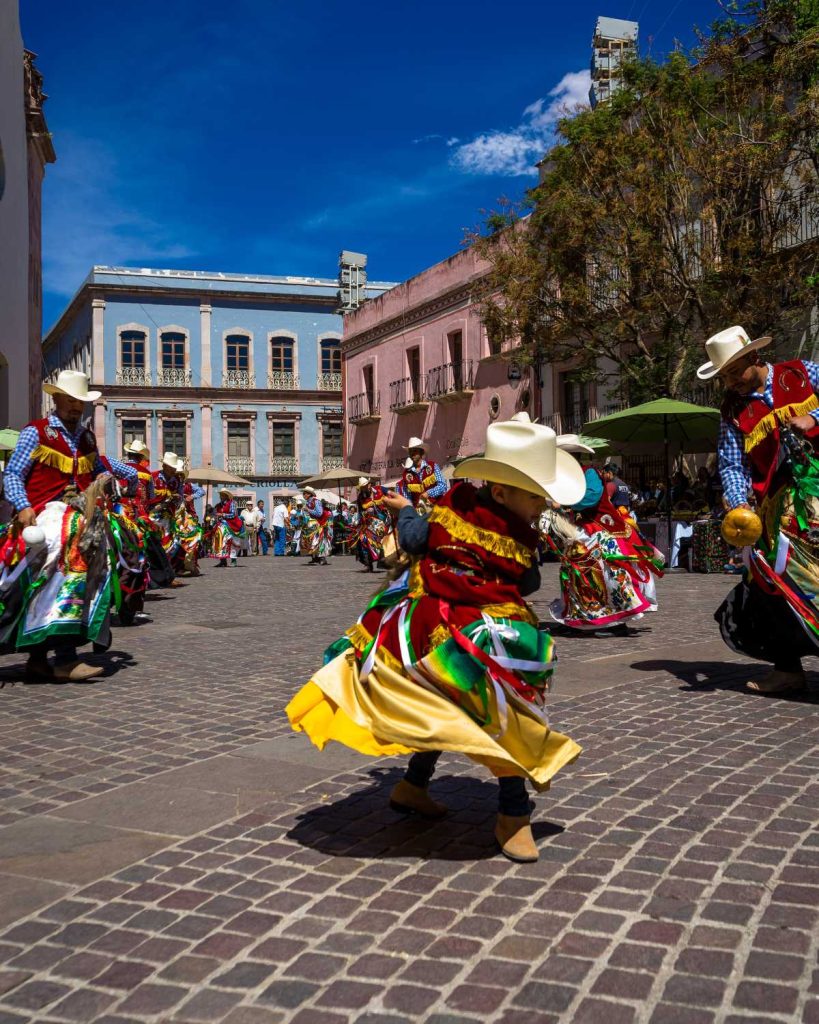
Most Cinco de Mayo playlists get treated like background noise, though the music tied to this day carries real history. The sound heard at festivals and gatherings reflects decades of tradition shaped by regional identity and cultural pride. Cinco de Mayo traces back to the Battle of Puebla in 1862, though the music associated with the holiday was not created for that event. Existing Mexican music became the way communities expressed pride tied to that moment. Focusing on the music shows how the celebration has been carried forward through sound rather than just storytelling.
How Music Became Central to Cinco de Mayo
Cinco de Mayo celebrations expanded through local communities in Mexico and later in the United States. As the holiday spread, people relied on familiar musical styles to define the tone of the day. These styles already carried meaning tied to identity, pride, and regional culture. Music became the most effective way to communicate that meaning across generations. Mexican American communities played a major role in shaping how Cinco de Mayo is celebrated today. In cities across the United States, music became the foundation of public gatherings. Festivals, parades, and local events all relied on live performance to create a shared cultural moment. This is where the connection between history and music became stronger.
Mariachi as the Defining Sound
Mariachi music stands at the center of Cinco de Mayo. Built around violins, trumpets, and guitars, it delivers a strong and recognizable sound that works in both small and large settings. The rhythm is steady and direct, which allows it to carry through crowded environments. This style originated in western Mexico, particularly in Jalisco, long before Cinco de Mayo gained recognition outside Puebla. Its rise to national prominence made it the most recognizable form of Mexican music. When Cinco de Mayo celebrations expanded in the United States, mariachi became the natural choice to define the sound of the holiday. The themes within mariachi align closely with the meaning behind Cinco de Mayo. Songs often focus on pride, struggle, and resilience, which match the historical significance tied to the Battle of Puebla. This connection explains why mariachi continues to lead the sound of the celebration.
Regional Styles That Shape the Sound
Cinco de Mayo music extends beyond mariachi. Regional styles bring depth and variety, showing the range of Mexican musical traditions. Norteño music uses the accordion and bajo sexto to create a distinct tone that contrasts with mariachi. Banda relies on brass instruments and percussion, producing a louder and more driving rhythm. Each style represents a different region of Mexico. Their presence in Cinco de Mayo celebrations highlights cultural diversity rather than limiting the holiday to one sound. This variety strengthens the overall experience by showing how multiple traditions contribute to a shared identity. Traditional folk songs also play a role, often tied to specific regions and stories. These songs add authenticity and connect listeners to the origins of the music rather than just the event.
Live Performance and Cultural Connection
Live music defines Cinco de Mayo celebrations. Recorded tracks can support the atmosphere, though live performance creates a stronger connection between the music and the audience. A mariachi band performing at a festival delivers energy and presence that recorded sound cannot match. Audience interaction is a key part of these performances. Familiar songs encourage participation and create a shared experience. This interaction reinforces the role of music as a cultural connector. Live performance also helps preserve tradition. Musicians pass down songs, techniques, and styles through these settings, keeping the music aligned with its roots even as it evolves.

Dance and Musical Structure
Dance builds directly on the music heard during Cinco de Mayo. Traditional performances follow the rhythm and phrasing of regional styles, creating a coordinated expression of culture. Folklórico dancing is one of the most recognizable forms, featuring detailed costumes and choreography tied to specific regions. The Jarabe Tapatío, often called the Mexican Hat Dance, is another example that reflects the structure of the music. Its timing and movement align with the rhythm, creating a visual extension of the sound. This connection between dance and music strengthens the cultural depth of the celebration.
The Evolution of Cinco de Mayo Music
Cinco de Mayo music has evolved as the celebration has grown, especially in the United States. Traditional styles remain central, though modern influences have been introduced over time. Contemporary artists have blended elements of pop, rock, and hip-hop into traditional frameworks, creating a broader appeal. Festivals now often feature a mix of traditional and modern performances. This blend allows the music to stay relevant while maintaining its foundation. The balance between preservation and evolution keeps Cinco de Mayo music grounded in its history.
Final Takeaway
Cinco de Mayo music represents a collection of traditions shaped by regional identity and cultural pride. From mariachi to norteño and banda, the sound of the holiday reflects a deeper story that continues to be carried forward through performance. Understanding the music gives the celebration more meaning and keeps its cultural roots intact.
Listen to our Cinco De Mayo Essential Playlist:


